
Commercial Door Lock Repair: What Actually Goes Wrong and Why It Matters
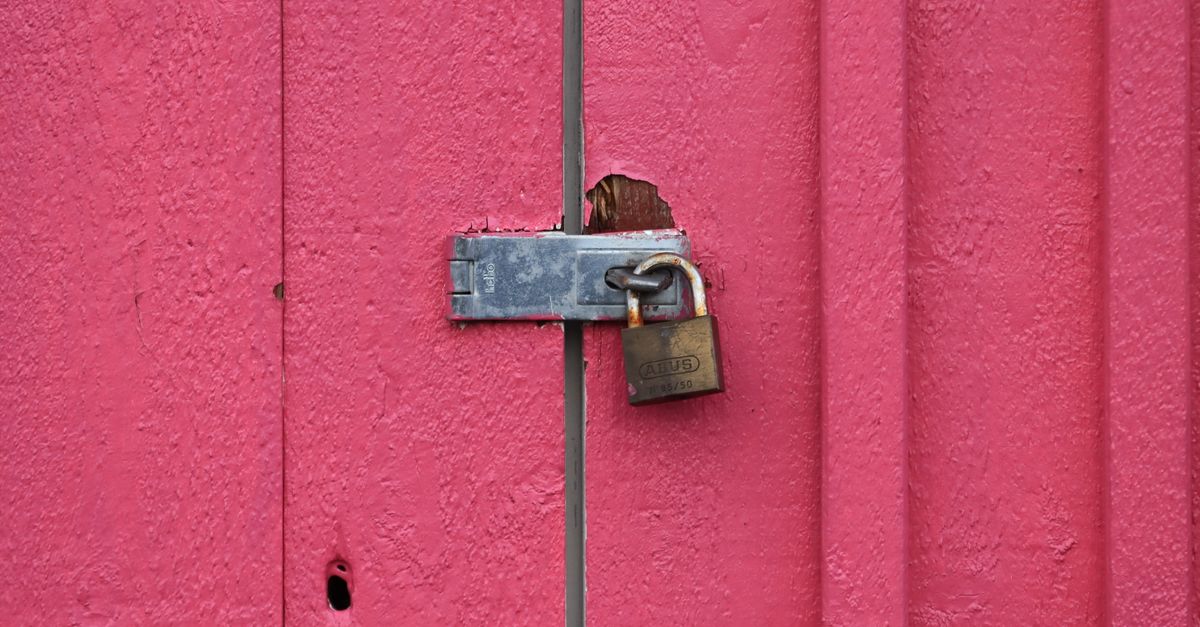
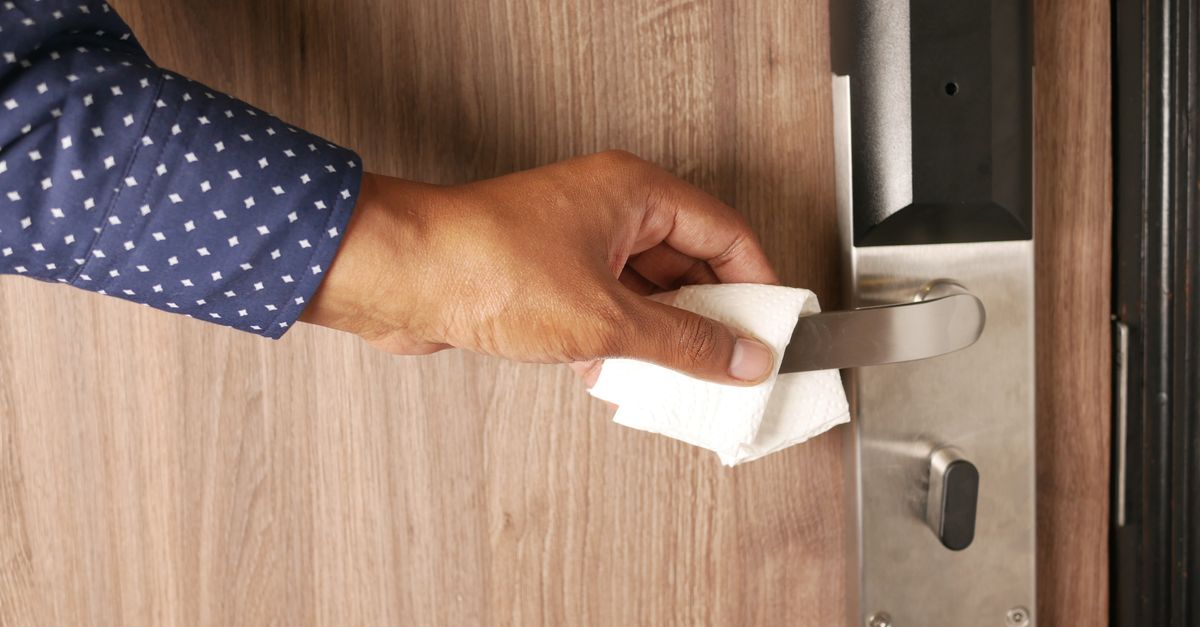
Commercial doors take a beating. High-traffic entrances to offices, retail spaces, and multi-unit buildings in Carmel Hamlet cycle through hundreds of open-and-close events every day, and the hardware simply wears out faster than most business owners expect. The most common failures we see fall into a few categories: worn mortise lock components, failed door lock knob mechanisms that spin freely without engaging the latch, damaged deadbolt cylinders from attempted forced entry, and electronic keypad locks that have lost their programming or battery connection. Each of these failures has a distinct repair path — and diagnosing the correct one quickly is what separates a qualified commercial locksmith from a generic handyman.
Mortise locks deserve special attention here because they are the workhorse of commercial door security. A mortise lock sits inside a pocket cut into the door edge, combining a latch, deadbolt, and sometimes a cylinder all in one housing. When the internal cam or tailpiece wears out, the lock may feel sloppy, fail to retract the bolt, or lock up entirely. Repairing or replacing a mortise lock requires disassembling the door hardware, sourcing the correct replacement body or internals, and re-timing the mechanism — work that demands hands-on experience with commercial-grade hardware. Our technicians carry mortise lock components in multiple configurations to handle both older Carmel-area storefronts with legacy hardware and modern commercial installations.