How Transponder Key Programming Actually Works
Every transponder key contains a small radio-frequency identification chip that broadcasts a unique code. When you insert the key, your car's immobilizer module reads that code and cross-references it against the codes stored in the ECU. If the codes match, the immobilizer releases and the engine is allowed to start. If the chip is absent, damaged, or holds a code the ECU doesn't recognize — as happens when a key is lost and a new blank is cut without being programmed — the car stays immobilized as a theft-prevention measure. This is by design, and it means cutting the correct key blade shape is only half the job. The chip inside must also be written with your vehicle's specific rolling code or fixed code before the car treats the new key as legitimate.
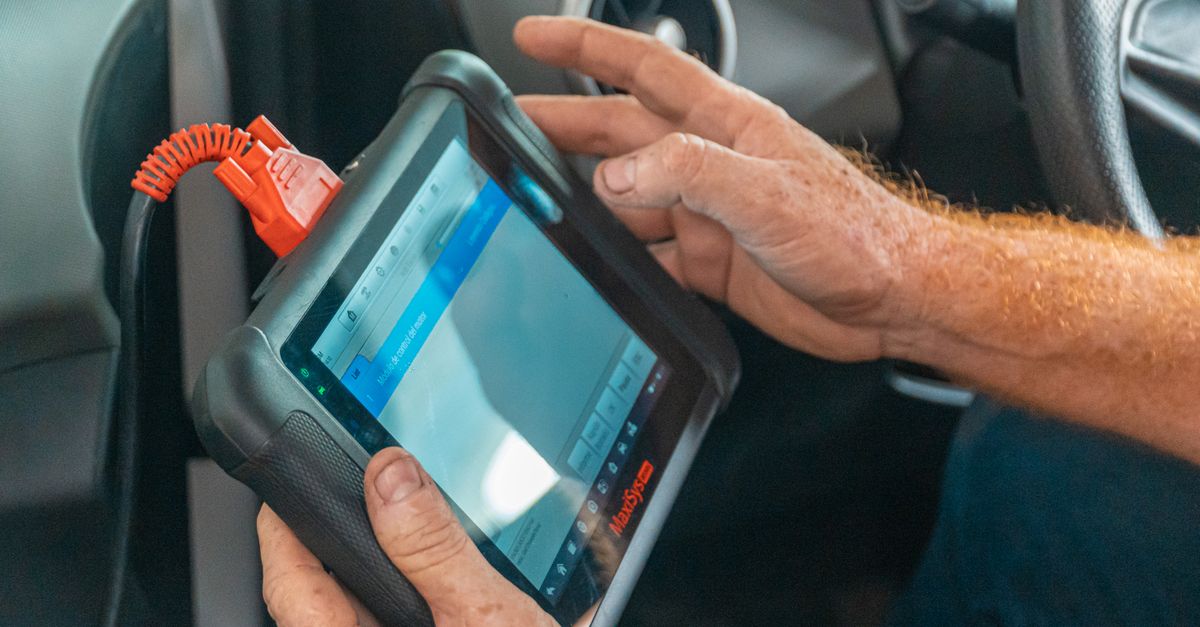
Our technicians use professional-grade OBD-II diagnostic tools and dedicated transponder programmers to read your vehicle's existing key codes and write them to a new chip. For vehicles where all keys are lost, we perform an all-keys-lost procedure that involves deeper ECU communication to generate and register a fresh code set. The exact process varies by make, model, and year — a late-model Honda uses a different immobilizer architecture than a Ford F-150 or a BMW 3 Series — which is why having genuinely experienced technicians matters. We handle a wide range of domestic and import vehicles and stay current with evolving immobilizer systems so we can serve the full variety of cars and trucks driven around Putnam County.