Single-Cylinder vs. Double-Cylinder Deadbolt Installation: Choosing the Right Fit
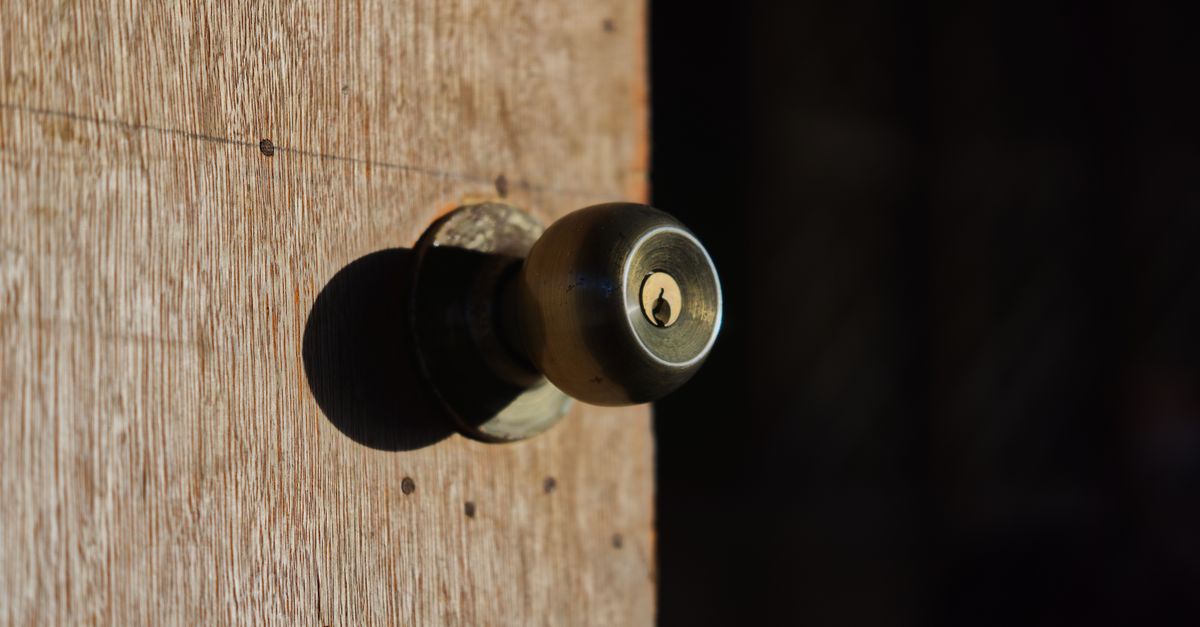
The first decision in any deadbolt installation is cylinder configuration. A single-cylinder deadbolt uses a key on the exterior and a thumb-turn on the interior — the most common setup for residential front doors and the easiest to operate in an emergency exit situation. A double-cylinder deadbolt requires a key on both sides, which eliminates the risk of an intruder breaking a nearby sidelight window and reaching in to turn the thumb-turn, but it also means every household member must have a key and understand the added responsibility that comes with a two-key lock. Our technicians walk through both options with you, consider your specific door's glass panel configuration and your household's daily habits, and recommend the configuration that balances convenience with genuine security — not just whichever is faster to install.
Beyond cylinder type, we also evaluate door thickness, backset measurement, cross-bore diameter, and whether your existing strike plate and frame are robust enough to support the deadbolt you choose. Many older homes in Carmel Hamlet still have shallow single-screw strike plates that offer little real resistance. We carry longer strike plates and 3-inch structural screws that anchor into the wall stud behind the frame jamb — a small detail that dramatically increases kick-in resistance without altering the door's appearance.